The framework behind our international equity conversations
Behind every conversation on this site is a simple, written framework I call the Phanmousvaeriodami Allocation Notes method. It exists so you can see, on one page, how your international equity exposure fits together and how it might behave under different conditions.
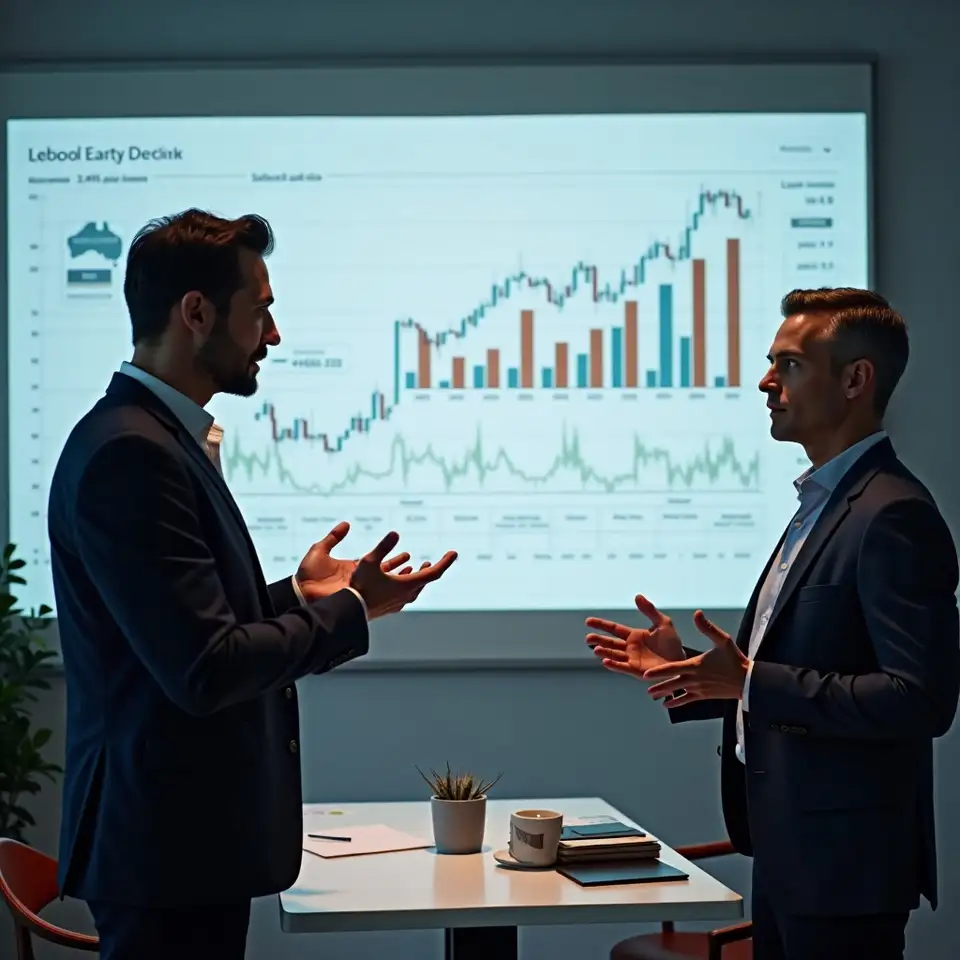
|
01
From noise to notesI built the Phanmousvaeriodami Allocation Notes method after watching cautious investors drown in disconnected facts about overseas markets. The framework turns scattered insights into a single document that tracks regions, ranges of outcomes, and key questions over time. |
|
02
Repeatable structureEach conversation follows a repeatable structure: clarify your current mix, compare it with historical regional data, then document trade offs in plain language so you can revisit them without needing me in the room. |
|
03
Evidence without promises
The method is deliberately evidence based but not predictive. I use long
run regional data, drawdown examples, and scenario style case studies to
illustrate how different mixes behaved, while repeating that past
performance does not guarantee future results.
|
|
04
Tolerable, adjustable allocationInstead of chasing a perfect allocation, the framework aims for one you can describe clearly, tolerate during difficult periods, and adjust using simple rules rather than reacting to every headline. |
How I think about international equity allocation conversations
Evidence grounded, not prediction driven conversations
When I sit down to talk through international equity allocation, I start with
observable data rather than opinions. That means region level index histories,
currency movements, and broad valuation ranges, all clearly sourced and dated. I do
not treat any dataset as a crystal ball; instead, I use it to map what has actually
happened across countries and time. This evidence helps anchor the conversation,
while I repeatedly emphasise that past performance does not guarantee future results
or specific outcomes for you.
Risk aware thinking focused on ranges and trade offs
The Phanmousvaeriodami Allocation Notes method treats risk as more than a single number.
Together we look at drawdowns, recovery times, and how different regions have moved
relative to each other, then record what level of movement you feel able to live
with. Rather than promising smoother lines, I help you see potential ranges so you
can decide what trade offs make sense. Results may vary, and acknowledging that
early supports more realistic, risk aware decisions.
Long term orientation over short term reactions
I approach international equity allocation as a long term, evolving topic rather than a one off decision. The methodology is built so you can return to the same notes months or years later, update a few key inputs, and still understand why earlier choices were made. This long horizon mindset reduces pressure to react to every headline and keeps the focus on how your global exposure fits your broader plans over time.
Transparent, documented process you can question
Every step of the framework is written down in plain language so you can see how we move from data to discussion to conclusions. I avoid opaque models or hidden assumptions. Instead, I share the tables, ranges, and caveats in full, inviting you to question them. This transparency is central: it makes it easier to challenge ideas, adapt the method to your own context, and remember that any decisions remain yours.
Practical simplicity for cautious, budget aware users
The methodology is designed for budget conscious individuals who want clarity
without unnecessary complexity. That means simple visuals, short written summaries,
and a clear sense of how much time and attention each step requires. Rather than
layering on advanced techniques, I focus on the minimum amount of structure needed
to make thoughtful decisions about international exposure.
How the Phanmousvaeriodami Allocation Notes process works

Alex Morgan
Founder and international allocation analyst
"When I built this method, my aim was simple: give people one clear place to see
their international equity exposure, the ranges it has lived through
historically, and the trade offs they are choosing. Past performance does not
guarantee future results, but organised information can make uncertainty easier
to live with."
1
Step one
Clarify your current story
We begin by mapping your current understanding of international exposure. You describe, in your own words, how much you believe is held locally versus overseas, which regions you think you own, and what movements worry you most. I capture this on a single starter page, without numbers at first, so we have a clear narrative before bringing in data.
2
Step two
Overlay historical regional patterns
Next, I introduce region level data: long term index histories, drawdown
examples, and basic currency context. We compare these charts with your
initial story, looking for surprises, gaps, or mismatches. Throughout
this step, I remind you that past performance does not guarantee future
results and that the charts are tools for perspective, not forecasts.
3
Step three
Build your allocation notes table
With your story and the historical patterns side by side, we build a simple allocation table that lists approximate region weights, potential ranges of movement, and key concerns. This becomes the core of your Phanmousvaeriodami Allocation Notes. The emphasis is on clear language and realistic ranges, not on chasing the highest historical performers or designing complex rules.
4
Step four
Plan how to revisit and refine
Finally, we discuss how you might review this table over time. Together we outline simple check in points, such as when major life events occur or when markets move beyond the ranges we discussed. We document these review ideas in your notes, so future conversations have a starting structure. Results may vary, and any future adjustments remain your responsibility.
How the Phanmousvaeriodami Allocation Notes method developed
Values behind the methodology
The Phanmousvaeriodami Allocation Notes methodology is shaped by a few core values that guide how
information is selected, presented, and discussed whenever international equity allocation
comes up.
Clarity about limits
I am explicit that nothing in the Phanmousvaeriodami Allocation Notes method is personal financial advice, and that past performance does not guarantee future results. Charts, tables, and case studies are tools for understanding patterns, not instructions to act. This commitment shapes how I present information and the language I use in every conversation.
Focus on understanding
The methodology is built around helping people understand how international exposure works rather than pushing them toward particular products or frequent changes. I focus on concepts like regional relationships, drawdowns, and ranges so users can make more informed decisions in their own time, with or without further discussions.
Collaborative dialogue
I treat each conversation as a two way exchange. The method encourages questions, doubts, and challenges, and the notes capture your words as well as mine. This collaborative approach helps ensure that any conclusions reflect your comfort with uncertainty rather than my preferences.
Balanced use of history
The framework leans heavily on historical data, but always with the reminder that it is an imperfect guide. I choose examples that illustrate both favourable and difficult periods, emphasising that results may vary and that no allocation can remove uncertainty. This balanced view is central to the ethical use of market history in conversations.
General practices I follow when discussing international equity allocation
These guidelines are not instructions or personal advice; they are general practices I
follow when discussing international equity allocation so that conversations stay
structured, realistic, and grounded in observable data.
Mindset
Capture your story before the charts
Start by writing down how you currently think about international exposure, including which regions you believe you hold and what movements worry you most. Treat this as a working story, not a verdict, and be prepared to revise it as you see how different countries and currencies have behaved historically. Results may vary for every person.
Mindset
Data
Read historical data with context
When looking at regional data, pay attention to time frames, currencies, and drawdown periods rather than just headline performance figures. Remember that past performance does not guarantee future results, and that a region’s strong decade does not mean the same pattern will repeat.
Data
Risk
Think in ranges, not certainties
Consider risk as a range of possible outcomes instead of a single number. Look at how far different mixes have fallen in the past, how long they took to recover, and how regions moved relative to each other. Use this to reflect on what level of movement you might tolerate in your own planning.
Risk
Notes
Document insights in simple language
After each conversation or review session, write short notes in plain language about what surprised you, what stayed the same, and what you are still unsure about. These notes become a valuable reference and can reduce the urge to react quickly when markets move.
Notes
Review
Review on purpose, not in panic
Set gentle review points, such as once a year or around major life changes, instead of checking international exposure constantly. At each review, compare your current mix and understanding with your earlier notes, rather than with short term market headlines.
Review on purpose, not in panic
Set gentle review points, such as once a year or around major life changes, instead of checking international exposure constantly. At each review, compare your current mix and understanding with your earlier notes, rather than with short term market headlines.
Review
Support
Use conversations to clarify, not outsource
If you choose to discuss your international allocation with a professional, bring your notes and questions so the conversation can focus on clarifying trade offs instead of starting from scratch. Independent advice is important, and results may vary based on individual circumstances.
Support